 blog
How to Find Authentic Things to Do in Cape Town
Last Updated: October 26, 2026
Quick Summary
The most authentic things to do in Cape Town sit one street back from the crowds, in kitchens with no sign and paths with no queue. Match local rhythms like early mornings and quiet weekdays, and explore neighborhoods such as Bo-Kaap, Woodstock, and Kalk Bay on foot and by train.
- Locals park along Tafelberg Road before 7 a.m. on weekdays for the same panorama without the queue.
- The Metrorail Southern Line is the cheapest way to reach the False Bay coast, with stops at Muizenberg and Kalk Bay.
- A short menu and a full room at weekday lunch usually signal a local favorite restaurant.
- Visit Boulders Beach at opening time and stay on the boardwalks to protect the penguins.
- The Uncover Cape Town guide costs $19 and includes 45 vetted hidden gems across 8 chapters.
Table of Contents
- Why Authentic Things to Do in Cape Town Beat the Tourist Trail
- Best Local Neighborhoods in Cape Town to Visit
- Hidden Gems in Cape Town That Locals Actually Visit
- Cape Malay Food in Cape Town: Where to Eat Like a Local
- How to Experience Cape Town Like a Local on Foot and by Train
- Responsible Wildlife and Nature Experiences Beyond the Crowds
- Seasonality, Costs, and Booking Logistics for Independent Travelers
- Get the Uncover Cape Town Guide Before You Land
- Frequently Asked Questions
Why Authentic Things to Do in Cape Town Beat the Tourist Trail
Most visitors see the same Cape Town. They ride the cableway, take a photo at the colorful houses, and eat at the first restaurant their hotel recommends.
The city rewards a different approach.
Here's the core idea. Tourist trails are built for volume, so they optimize for speed and safety.
Below, we break down the neighborhoods, food, transport, and nature days that locals actually choose, plus how to plan around weather and cost.
Best Local Neighborhoods in Cape Town to Visit
The best local neighborhoods in Cape Town to visit are Bo-Kaap, Woodstock, and Kalk Bay. Each one shows a different side of the city, and all three reward slow walking over quick photo stops.

Bo-Kaap and the City Bowl
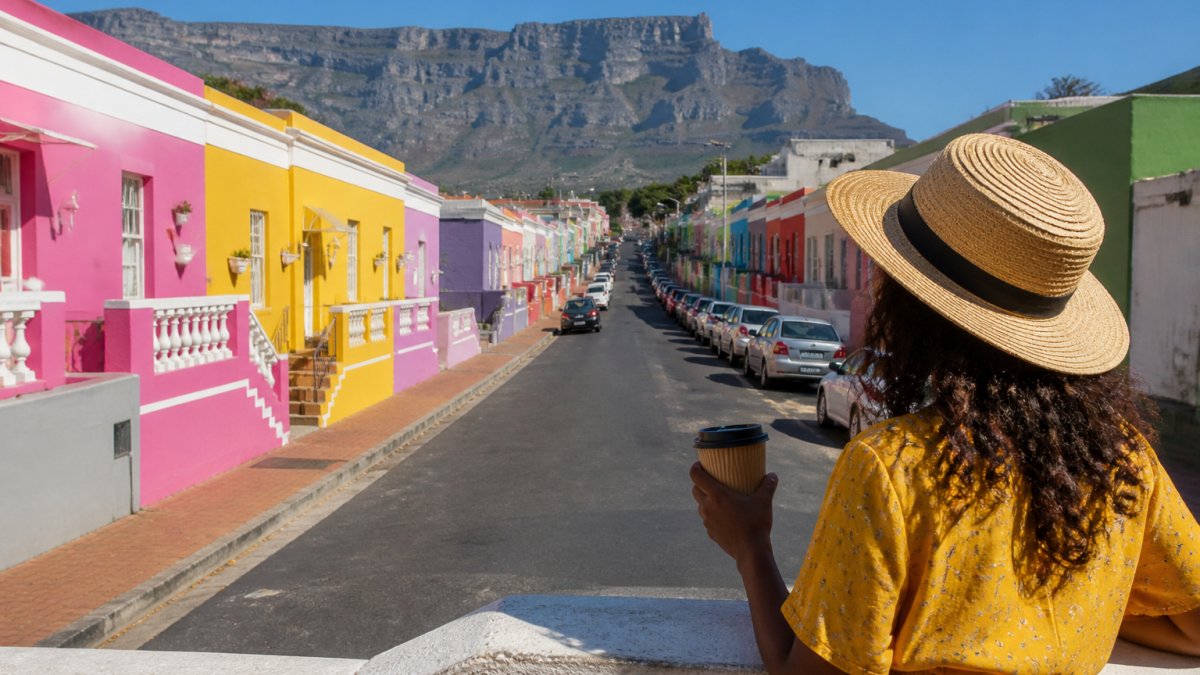
Bo-Kaap is a living neighborhood, not a set. People live behind those painted doors. Walk it early, keep your voice down, and ask before you photograph anyone. The City Bowl around it holds small museums and coffee spots that stay calm on weekdays.
Woodstock, Salt River, and Observatory
This strip is where the city's makers work. You'll find studios, bakeries, and secondhand shops in old industrial buildings. Go on a weekday morning. Weekends bring crowds, and some workshops close.
Kalk Bay and Muizenberg on the False Bay Coast
Kalk Bay is a working harbor with a food scene built on it. Muizenberg is the beginner surf beach. Take the train, walk the main road, and eat where the fishing boats come in. These are among the best local neighborhoods in Cape Town to visit if you want a full day out of the center.
Hidden Gems in Cape Town That Locals Actually Visit
Hidden gems in Cape Town rarely stay hidden, so the trick is timing and specificity. Locals visit the same famous spots, just at hours tourists skip, and they know which small venues reward a detour.
Named spots locals actually use
- Tafelberg Road viewpoint (Table Mountain lower slopes): Most visitors ride the cableway or hike Lion's Head. Locals park along Tafelberg Road at dawn for the same panorama without the queue. Go before 7 a.m. on a weekday; the road fills by mid-morning on weekends.
- Sea Point Promenade at first light: The promenade is famous, but the local rhythm is a 6 a.m. walk or run before the coffee kiosks open. The tidal pools at Milton and Saunders are free and calm for a quick dip.
- Oranjezicht City Farm Market (Saturday mornings): A weekend market that locals treat as a grocery run, not a photo op. Arrive at opening to avoid the 10 a.m. crush, and bring cash for small stalls.
The mechanism: why timing beats secrecy
A common pattern is that small venues open late, close early, or shut for the winter. Many independent kitchens and studios run on reduced hours outside peak season. Call ahead or check recent social posts the week you travel. If a place looks crowded, walk one block and look again; the city is dense with small finds, and the next street often has the same quality without the line.
Our guide features 45 vetted hidden gems across 8 chapters, with 33 locations tied to verified map pins, so you spend your hours exploring, not scrolling.
These are the spots locals actually use, along with the timing that keeps them local.
| Spot | Local timing | Note |
|---|---|---|
| Tafelberg Road viewpoint | Before 7 a.m. on a weekday | Same panorama without the queue |
| Sea Point Promenade | 6 a.m. walk or run | Milton and Saunders tidal pools are free |
| Oranjezicht City Farm Market | Saturday mornings at opening | Bring cash for small stalls |
| The Company's Garden | Weekday morning | Free and central; tourist buses absent |
| Kalk Bay harbour wall | Low tide | Wall is wet and slippery at high tide |
| Woodstock's back streets | Weekday | Many workshops open Monday to Friday only |
Cape Malay Food in Cape Town: Where to Eat Like a Local
Cape Malay food in Cape Town is the city's signature cuisine: fragrant curries, slow-braised stews, and sweet-savory snacks rooted in the Cape's history.
Here is how locals read a restaurant:
- A short menu usually means fresh cooking, not frozen stock.
- A full room at lunch on a weekday signals a local favorite.
- Cash-friendly tills often mean a small family operation.
Ask what was cooked that morning. Order the daily special. Eat where harbor workers eat, near Kalk Bay and Simon's Town.
For the full picture of how the food scene works, including local hours and booking rhythms, read our guide.
How to Experience Cape Town Like a Local on Foot and by Train
To experience Cape Town like a local, use the train along the False Bay coast and walk the inner city. Driving is fine for day trips, but parking and traffic eat your time in the center.
The coastal train: route, stations, and fares
The Metrorail Southern Line runs from the city center toward Simon's Town, with stops at Woodstock, Salt River, Observatory, Muizenberg, Kalk Bay, Fish Hoek, and Simon's Town. It is the cheapest way to reach the False Bay coast, and it is busy at rush hour. Buy a ticket at the station before boarding; fares are low and vary by zone, so check the current fare chart at the ticket window rather than relying on an old figure.
Walking the inner city: a realistic route
A workable city walk is a loop through the Company's Garden, past the Iziko South African Museum, into Bo-Kaap, and back through the City Bowl. Allow two to three hours at a slow pace. Bo-Kaap is a living neighborhood, so walk it early, keep your voice down, and ask before you photograph anyone. The City Bowl holds small museums and coffee spots that stay calm on weekdays.
Getting between neighborhoods without a car
- City center to Woodstock: A short e-hail ride or a walk along the lower slopes; the train also connects the two.
- City center to Muizenberg and Kalk Bay: The coastal train is the local default; driving takes longer in traffic and parking near the harbor is limited.
- Kalk Bay to Simon's Town: The train continues along the coast; the ride is short and scenic.
Safety mechanisms locals actually use
Walk in groups and stick to well-used streets after dark. Ask your host which blocks to avoid at night; this is normal local advice, not alarm. On the train, travel in daylight, keep valuables out of sight, and avoid empty carriages. A common pattern is that locals avoid isolated stations after dark and use e-hailing for the last leg home.
For routes, current fares, and e-hailing tips, see our breakdown of getting around Cape Town without a car.
Responsible Wildlife and Nature Experiences Beyond the Crowds
Wildlife encounters work best when you keep your distance and follow the rules. Boulders Beach near Simon's Town is the famous penguin colony.
Table Mountain and Lion's Head offer the big views. Locals hike early to beat heat and wind, and they check conditions before setting out.
A few habits that keep nature days safe:
- Check the wind and cloud before you leave.
- Start hikes in the morning, not at midday.
- Carry water and a layer, even in summer.
Before any nature day, read up on how to read the mountain, wind, and sea.
Seasonality, Costs, and Booking Logistics for Independent Travelers
Timing shapes both cost and experience. Peak season brings crowds and higher lodging rates. Shoulder months bring calmer streets and better value.
Book the big items early: lodging, any cableway tickets, and popular restaurants. Leave the rest loose. Weather will rearrange at least one day of your trip, so build in a flex day.
A simple planning checklist:
- Pick your dates by season, not by price alone.
- Book lodging and one or two anchor meals.
- Keep two days unplanned for weather shifts.
For honest month-by-month weather and cost figures, use our guide.
Get the Uncover Cape Town Guide Before You Land
Planning this way takes work. The good news is you don't have to start from zero.
Uncover Cape Town is a digital guide written by a born Capetonian. It packs 45 vetted hidden gems across 8 chapters, with 33 locations tied to verified map pins. It explains local weather and navigation, points you to authentic kitchens, bars, and markets, and covers hikes and viewpoints the way locals see them.
Get the guide for $19 and land already knowing where to go.
Frequently Asked Questions
What are some authentic things to do in Cape Town that avoid the crowds?
Skip the cableway at midday and hike Lion's Head at sunrise instead. Eat Cape Malay food in a Bo-Kaap home kitchen rather than a waterfront chain. Browse the Woodstock markets on a Saturday morning, take the train to Kalk Bay for fish and chips, and walk the False Bay coastline at Muizenberg. These authentic things put you among residents going about their day rather than in a tour group, and most cost little or nothing.
Which local neighborhoods in Cape Town are best for first-time visitors?
Bo-Kaap gives you Cape Malay history and colorful streets within walking distance of the city center. Woodstock and Salt River have galleries, coffee roasters, and weekend markets. Kalk Bay and Muizenberg on the False Bay side offer harbor life, surfing, and a slower coastal pace. Observatory suits travelers who want live music and student-priced food. Pick two or three and give each a half day rather than rushing through all of them.
Where can I try traditional Cape Malay food in Cape Town?
Look in Bo-Kaap first. Home kitchens and small family-run restaurants serve bobotie, denningvleis, and koesisters, often by booking ahead. The Saturday Bo-Kaap market is a low-cost way to sample several dishes at once. Outside the neighborhood, the southern suburbs have long-standing Cape Malay bakeries worth the detour. Go hungry, ask what is fresh that day, and expect spice levels that are flavorful rather than hot.
How many days do you need to explore Cape Town's neighborhoods?
Five days lets you cover the city center and Bo-Kaap, one day on the Atlantic seaboard, one on the False Bay coast, and one for a hike or wildlife outing. Seven to ten days gives you room to return to a neighborhood you liked and to absorb a rainy day without losing an activity. If you only have three days, choose one neighborhood per day and stay within it rather than crossing the city repeatedly.
Your trip will go better if you stop chasing the checklist and start matching the city's rhythms. That means early starts, quiet weekdays, and eating where locals eat. Uncover Cape Town gives you those details in one place, with 45 vetted spots, verified map pins, and an annual refresh. Get started with Uncover Cape Town and spend your first day exploring, not researching.