 blog
Best Local Neighborhoods in Cape Town to Visit
Last Updated: October 23, 2026
Quick Summary
The best local neighborhoods in Cape Town to visit are the City Bowl for walkable museums, restaurants and nightlife, the Atlantic Seaboard for beach time and sunsets, and the V&A Waterfront for easy convenience. Match your base to your daily plan, not to a photo, since central areas win for short trips and coastal areas win when the beach is the point.
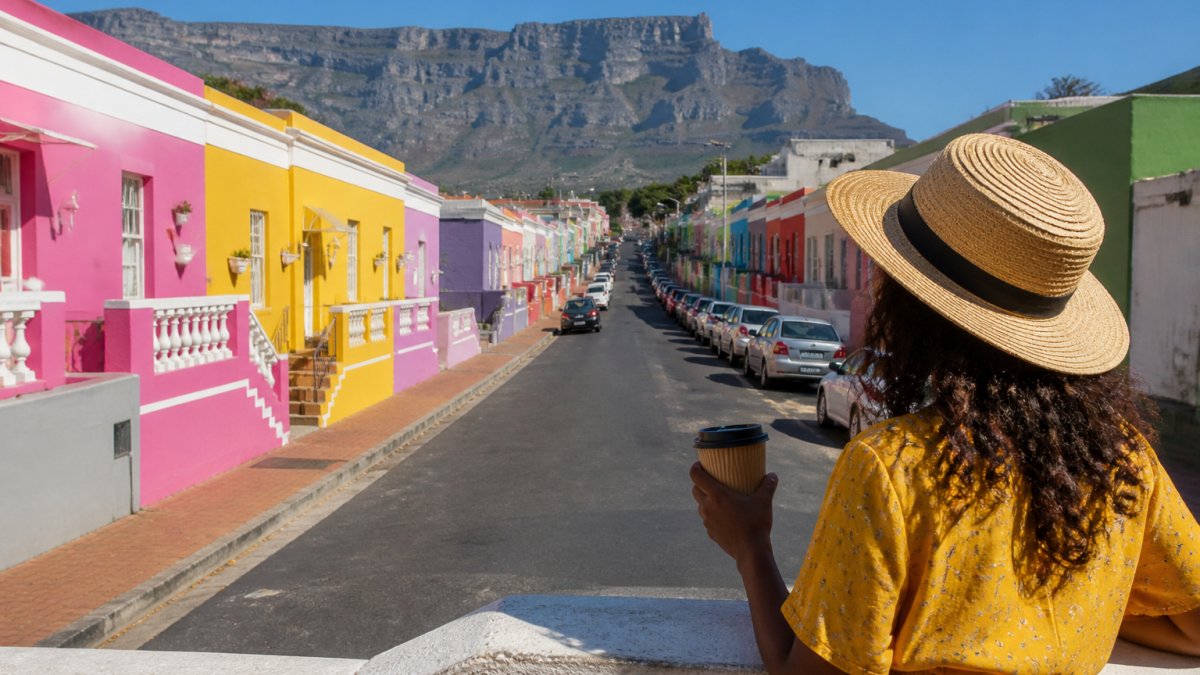
- Bo-Kaap is best visited in the morning, on foot, with a guide who explains its Cape Malay heritage.
- Allow 15-25 minutes by rideshare between the City Bowl and the Atlantic Seaboard outside peak hours.
- The Sea Point promenade is a long, flat, paved walk that is busy from early morning.
- The V&A Waterfront is the most patrolled and convenient area but not where you find local character.
- Bo-Kaap, Oranjezicht and Tamboerskloof involve cobblestones or steep streets that make wheeled travel difficult.
Table of Contents
- Why Cape Town Neighborhoods Matter for First-Time Visitors
- Cape Town Neighborhoods to Visit: City Bowl and Central Areas
- Atlantic Seaboard: Sea Point, Green Point, and Camps Bay
- V&A Waterfront and De Waterkant: Where Tourists Meet Locals
- Where to Stay in Cape Town: Matching Neighborhoods to Your Trip
- How to Get Around Cape Town Neighborhoods Without a Car
- Safety, Timing, and Local Etiquette in Cape Town Neighborhoods
- Frequently Asked Questions
Why Cape Town Neighborhoods Matter for First-Time Visitors
Cape Town is a city of distinct villages, each with its own rhythm, price point, and personality. Picking the right one to base yourself in shapes your entire trip.
Here is the core tension most guides ignore: the neighborhood that looks best on a postcard is rarely the one that suits your itinerary.
Below, we rank the areas by who they suit, how to move between them, and when to go.
Cape Town Neighborhoods to Visit: City Bowl and Central Areas
The City Bowl is the historic heart of the city, a natural amphitheater of streets tucked between Table Mountain and the harbor. It is the most walkable part of Cape Town and the easiest base for a car-free first trip.
Three central areas carry most of the appeal for visitors:
- Bo-Kaap: cobbled streets, brightly painted houses, and Cape Malay food heritage. Best visited in the morning, on foot, with a guide who can explain the history rather than just the photo spots.
- Gardens and Oranjezicht: leafy residential streets, good cafés, and quick access to the mountain trails above the city.
- De Waterkant: a small, central pocket of restored cottages and bars, sitting between the City Bowl and the Waterfront.
The City Bowl suits first-time visitors who want restaurants, museums, and nightlife within walking distance. It is less ideal if you want ocean views from your window.
Bo-Kaap, Gardens, and Oranjezicht
Bo-Kaap rewards an early start. The light is better, the crowds are thinner, and the neighborhood feels like a place people live rather than a set.
Gardens and Oranjezicht are where locals actually shop and eat. A common mistake is treating them as pass-through zones on the way to the mountain. Slow down instead. Plan a morning hike from the upper streets, then a long lunch on the way back down.
Atlantic Seaboard: Sea Point, Green Point, and Camps Bay
The Atlantic Seaboard runs along the ocean side of the city, and it is where many visitors end up once they see the sunsets.
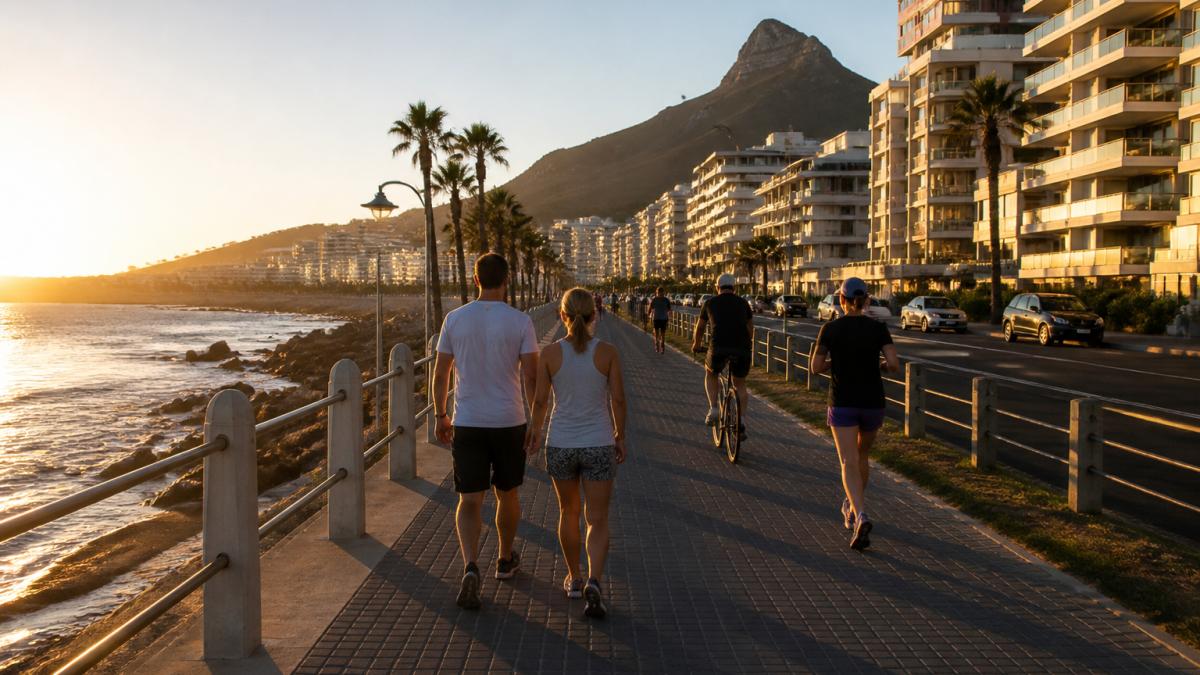
Sea Point is the most practical of the three. The promenade is a long, flat, paved walk that draws joggers, families, and dog walkers from early morning.
Camps Bay is the postcard: a wide beach, palm-lined strip, and bars facing the water.
- Best for: beach time, sunset walks, and travelers who want ocean air
- Watch out for: the wind. The Atlantic side catches it hard, and a calm morning can turn blustery by afternoon
- Getting there: the promenade is walkable; Camps Bay is a short rideshare from the center
V&A Waterfront and De Waterkant: Where Tourists Meet Locals
The V&A Waterfront is the most polished, most commercial part of Cape Town.
It is also the easiest place in the city to spend a day without a plan. That is both its strength and its weakness.
De Waterkant, just up the hill, is the quieter counterpoint. Small streets, restored cottages, and a cluster of bars and restaurants make it a good evening base if you want to walk home after dinner.
Where to Stay in Cape Town: Matching Neighborhoods to Your Trip
The right area depends on your priorities, not on which hotel looks best online. Use this comparison as a starting filter, then narrow down by budget and dates.
| Neighborhood | Atmosphere | Key sights | Food and drink | Getting around | Accessibility notes | Ideal visit length |
|---|---|---|---|---|---|---|
| City Bowl / Gardens | Historic, walkable, busy by day | Museums, Company's Garden, mountain trails | Cafés, restaurants, bars within walking distance | Best on foot; rideshare for evenings | Sidewalks are uneven in places; some streets are steep | 2-3 days as a base |
| Bo-Kaap | Residential, photogenic, quiet mornings | Cobbled streets, Cape Malay heritage | Local eateries and spice shops | Walkable from the City Bowl | Cobblestones and slopes; not ideal for wheelchairs | Half a day |
| De Waterkant | Compact, evening-oriented | Restored cottages, bars | Restaurants and bars clustered together | Walkable to the Waterfront | Short hills between streets | An evening or one night |
| Sea Point / Green Point | Oceanfront, active, family-friendly | Promenade, stadium, park | Cafés, casual restaurants | Promenade is flat and walkable; rideshare to center | Promenade is paved and largely flat | 1-2 days |
| Camps Bay | Postcard beach, sunset crowds | Wide beach, bars facing the water | Beachfront restaurants and bars | Rideshare or car; limited walking to other areas | Beach access involves sand and some steps | A day or one night |
| V&A Waterfront | Polished, commercial, convenient | Harbor, Robben Island ferries, shopping | Wide range of restaurants | Walkable within the precinct; bus and rideshare links | Paved, flat, and generally accessible | Half a day to a full day |
| Oranjezicht / Tamboerskloof | Residential, calm, close to trails | Mountain access, local cafés | Neighborhood restaurants | Walkable to City Bowl; steep returns | Hilly streets; limited accessibility | 1-2 days as a quiet base |
A common mistake is booking a beach suburb for a short city-focused trip. The drive time eats your days.
Travel times decide more plans than distances do. A short trip on the map can take far longer in traffic.
How to Get Around Cape Town Neighborhoods Without a Car
You can see most of Cape Town's main neighborhoods without renting a car, but the city rewards planning. Rideshares cover the gaps that public transport leaves, and walking works well in the central areas.
Here is how the main options compare:
- Walking: excellent in the City Bowl, De Waterkant, and along the Sea Point promenade. Less practical between suburbs.
- Rideshare: the most flexible option for visitors. Good for beach runs, evening dinners, and airport transfers.
- MyCiTi bus: a clean, reliable bus network with routes linking the center, the Waterfront, and the Atlantic Seaboard. Buy a card and load it before you travel.
- Rental car: worth it only if you plan day trips out of the city, such as the Cape Peninsula or the winelands.
Travel times matter more than distances here. A short trip on the map can take far longer in traffic. Plan beach visits for the morning and city visits for late afternoon when the roads ease up.
Safety, Timing, and Local Etiquette in Cape Town Neighborhoods
Cape Town is a city where safety depends heavily on where you are and when. The tourist areas are generally well patrolled, but common-sense habits go a long way.
Area-specific safety context
- City Bowl and De Waterkant: Busy and well-trafficked by day. In the evening, stick to well-lit streets with restaurants and bars, and use a rideshare rather than walking long distances after dark.
- Bo-Kaap: A residential neighborhood, not a theme park. Visit in the morning, ask before photographing people's homes, keep your voice down on side streets, and buy something from a local shop rather than treating the area as a free backdrop.
- Sea Point and Green Point: The promenade is busy from early morning and generally feels safe during daylight. After dark, stay on the lit promenade and main roads, and avoid quiet side streets.
- Camps Bay: The beachfront strip is busy at sunset. Keep valuables out of sight, and use a rideshare rather than walking back to distant accommodation at night.
- V&A Waterfront: The most patrolled and convenient area. It is safe and polished, but it is not where you find the city's local character. Treat it as a launchpad, not the whole trip.
- Oranjezicht and Tamboerskloof: Quiet residential streets. Fine by day, but plan a rideshare for evenings rather than walking back up steep, dark streets.
Time-of-day guidance
Some areas feel very different after dark.
Seasonal differences
Seasonal timing changes the feel of every neighborhood. Summer brings crowds and wind to the Atlantic side, so plan beach visits for the morning and build in a backup for blustery afternoons.
Practical habits that actually help
- Know the time of day. Stick to well-lit, busy streets in the evening and use rideshares rather than walking long distances at night.
- Keep valuables out of sight. Do not walk with your phone out in crowded or quiet streets. Use a bag you can close.
- Ask before you photograph. This matters most in residential neighborhoods like Bo-Kaap.
- Watch the weather. The wind and the mountain cloud can change a plan fast. Build in a backup.
- Respect the locals. Cape Town is a lived-in city, not a resort. A little courtesy goes a long way, and it is often the difference between a tourist experience and a real one.
Frequently Asked Questions
What is the best area to stay in Cape Town as a tourist?
For most first-time visitors, the City Bowl and Sea Point offer the best balance of walkability, restaurants, and access to attractions. The City Bowl puts you near Bo-Kaap, Gardens, and the V&A Waterfront, while Sea Point gives you ocean views and a lively promenade. Couples often prefer Camps Bay for beaches, and families tend to favor Green Point for its calmer streets and proximity to the waterfront. The right Cape Town neighborhood depends on whether you prioritize nightlife, beach time, or sightseeing.
Are Cape Town neighborhoods easy to explore without a car?
Several central Cape Town neighborhoods are very walkable, including the City Bowl, De Waterkant, and Sea Point. Ride-hailing apps cover the rest of the city affordably, and the MyCiTi bus connects the CBD to the Atlantic Seaboard and the V&A Waterfront. For neighborhoods like Constantia or Kalk Bay, a car or ride-hail is more practical. If you plan to focus on walking and public transport, base yourself in the City Bowl or Green Point and take day trips outward.
Where should visitors avoid staying in Cape Town?
Avoid basing yourself in isolated industrial areas or neighborhoods far from public transport if you are visiting without a car. Some peripheral areas have higher crime rates and few visitor amenities. Stick to established visitor neighborhoods like the City Bowl, Sea Point, Green Point, Camps Bay, and the V&A Waterfront for your first trip. If you are unsure about a specific street or block, check recent reviews and ask your accommodation host directly before booking.
How many days do you need to explore Cape Town's neighborhoods?
Plan at least five to seven days to cover the main Cape Town neighborhoods comfortably. Two days in the City Bowl and Bo-Kaap, one day on the Atlantic Seaboard, one at the V&A Waterfront, and one or two for day trips to Kalk Bay or Constantia gives you a solid overview. A ten-day trip lets you slow down, revisit favorites, and add a Winelands day. If you only have three days, focus on the City Bowl and Sea Point and skip the outlying suburbs.
