 listicle
Cape Town Cultural Experiences Beyond the Museum Walls
Last Updated: October 31, 2026
Quick Summary
The best Cape Town cultural experiences happen in neighborhoods, not behind glass: Bo-Kaap walking tours led by locals, community-led visits to Langa and Gugulethu, Cape Malay cooking sessions, and live music across three distinct circuits. Book tours and cooking sessions ahead, and check listings on the day since small venues change bills and start sets late.
- Ask who leads a tour and how much time happens on foot before booking.
- Skip any tour that markets poverty as the attraction; choose community-led ones.
- Jazz runs Tuesday to Thursday in the city center; arrive early for small rooms.
- Township venues in Gugulethu and Langa are best reached with a local host.
- Markets are best before 10 a.m.; studios midweek; galleries Tuesday through Saturday.
Table of Contents
- Why Cape Town Cultural Experiences Happen Outside Museum Walls
- Cape Town Cultural Tours That Put You in the Neighborhood
- Cape Malay Food Experiences Worth Planning a Day Around
- Cape Town Neighborhood Tours for Living Culture, Not Landmarks
- Where to Find Cape Town Live Music Any Night of the Week
- Markets, Craft Studios, and Art Spaces That Reward Wandering
- How to Visit Communities Ethically and Self-Guided
- Build Your Own Cultural Route with Uncover Cape Town
- Frequently Asked Questions
Why Cape Town Cultural Experiences Happen Outside Museum Walls
The most memorable Cape Town cultural experiences rarely happen behind glass. They unfold in a Bo-Kaap kitchen where a home cook plates bobotie, on a Langa street corner where a guide grew up, and in a jazz bar where the set starts when the band feels like it. This guide from Uncover Cape Town covers where to find those moments and how to reach them respectfully.
Museums preserve history. This city lives it. That distinction shapes everything below.
A common mistake is treating culture as an afternoon stop between beaches. The travelers who get the most out of Cape Town build whole days around food, music, and neighborhoods. Below, we'll show you exactly how to do that, plus the practical details most guides skip.
Cape Town Cultural Tours That Put You in the Neighborhood
The best Cape Town cultural tours are led by people who live in the areas they show you. That single factor separates a real neighborhood visit from a drive-by photo stop.
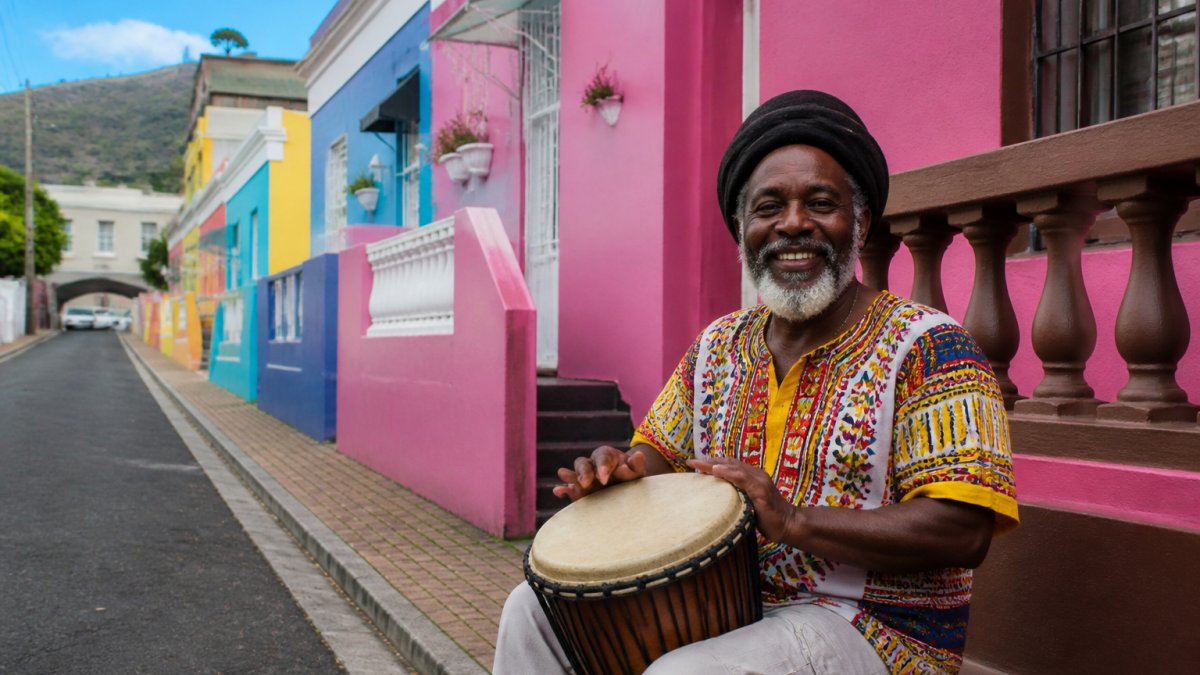
Walking tours through Bo-Kaap explain the area's Islamic heritage and Cape Malay roots from the inside. Ask two questions before you book any tour: who leads it, and how much time happens on foot?
Township Visits in Langa and Gugulethu
Langa is the city's oldest township, and Gugulethu sits close behind it in both age and character. Community-led tourism here means guides who grew up locally, visits to working studios and kitchens, and money that stays in the neighborhood.
Skip any tour that markets poverty as the attraction. Look for ones that center residents' stories, music, and businesses instead.
Cape Malay Food Experiences Worth Planning a Day Around
Cape Malay food experiences reward a full day, not a lunch break. The cuisine blends Southeast Asian, Dutch, and African influences into dishes like bobotie, denningvleis, and koesisters. Book any cooking session ahead of time, since spots are limited.

For finding the real kitchens yourself, local hours matter more than review scores. Many spots close early or sell out by mid-afternoon. For the full picture on how the food scene actually works, read our guide to Cape Town food and finding the hidden gems yourself.
Cape Town Neighborhood Tours for Living Culture, Not Landmarks
Neighborhood tours work best when they follow daily life: a morning market run, a coffee stop, a walk past a mosque, a chat with a shopkeeper. Bo-Kaap, Woodstock, and the city center's East City precinct all reward slow wandering.
What most guides miss is timing. Woodstock's galleries and studios open later in the day, while Bo-Kaap is calmest before the tour buses arrive. Our article on the best local neighborhoods to visit goes deeper on what each area is actually like.
Where to Find Cape Town Live Music Any Night of the Week
Live music is the clearest proof that this city's culture is contemporary, not curated for visitors. The scene runs seven nights a week, but it splits into distinct circuits, and knowing which circuit fits your night is the difference between a memorable set and a wasted cab ride.
The jazz circuit. The city center and its immediate edges host resident jazz bands midweek, typically Tuesday through Thursday, when small rooms fill with locals rather than weekend crowds. Cover charges and set times vary from venue to venue, so confirm them before you go. Arrive early for the smallest rooms, since seating is limited.
The indie and electronic circuit. Woodstock and Observatory lean toward indie, rock, and electronic bills, with shows clustering Thursday through Saturday. Door prices vary widely depending on the bill and the night, and many venues post lineups only a few days ahead.
The township circuit. Gugulethu and Langa have live music venues that are community spaces first. Go with a local guide or a resident host, and treat the room as someone's neighborhood rather than a tourist attraction. Photography rules vary by venue, ask before you raise a phone.
Getting between circuits. The jazz and indie circuits are reachable by e-hailing and, in the city center, on foot. Township venues are best reached by e-hailing or with a local host; do not plan to walk between them after dark. If you are relying on transit, our guide to getting around Cape Town without a car covers the practical options.
Seasonality matters. Live music schedules shift with the seasons, so before you build a night around a specific venue, confirm it is open and has a show that week.
What to expect at the door. Cash is still useful at smaller venues, even where cards are accepted. Tipping musicians is not standard at ticketed shows but is appreciated at smaller rooms with a tip jar. And if a set is running late, that is the norm, not a sign you are in the wrong place.
The live music scene splits into distinct circuits, and each one suits a different kind of night out.
| Circuit | Areas | Best nights | Key note |
|---|---|---|---|
| Jazz | City center and immediate edges | Tuesday through Thursday | Small rooms fill with locals; arrive early |
| Indie and electronic | Woodstock and Observatory | Thursday through Saturday | Lineups often posted only days ahead |
| Township | Gugulethu and Langa | Not stated | Go with a local guide or resident host |
Markets, Craft Studios, and Art Spaces That Reward Wandering
Markets and studios are where the city's craft culture happens without a ticket booth, but they reward a little planning more than the word 'wandering' suggests. Days, hours, and cash matter here, and the difference between a good half-day and a wasted one is usually timing.
Weekend food and craft markets. The city's weekend markets cluster around the city center and the southern suburbs, with most running Saturday and Sunday mornings into early afternoon. Arrive before 10 a.m. to beat the crowds and get the best of the food stalls; many vendors sell out by early afternoon.
Craft and design studios. Woodstock's studio buildings are home to many makers, and some open their doors to visitors, though hours vary by building and maker. Hours vary by building and by maker, so check ahead rather than assuming a Saturday open-studio day.
Art spaces and galleries. The East City precinct rounds out an afternoon with galleries that mix contemporary work and smaller commercial spaces. Gallery hours vary, so check each one before you go. Openings are one of the easiest ways to meet local artists and collectors.
Buying ethically. Ask before photographing makers and their work. Treat studios as workplaces, not showrooms, do not handle pieces without asking. When you buy, buy from the person who made the object where possible; a common pattern in craft tourism is for middlemen to capture most of the margin, and buying direct is the simplest way to keep value in the neighborhood.
Accessibility and suitability. Markets are generally the most family-friendly option, with open layouts and food to keep kids occupied. Studios in older buildings may have stairs and uneven floors, so check access if mobility is a concern.
Getting there. The city center and East City are walkable and well served by e-hailing. Woodstock is a short e-hailing ride from the center and is best visited in daylight.
Seasonality. Weekend markets are busiest in the summer months and quieter in winter, when some vendors scale back.
How to Visit Communities Ethically and Self-Guided
Self-guided cultural visits are possible, and often better, if you follow a few rules. Go with a local guide for township areas, buy from local businesses, and ask before photographing people. Treat homes and churches as private spaces unless invited in.
Getting around without a car makes this easier than it sounds. Our guide to getting around Cape Town without a car covers buses, e-hailing, and trains. Safety questions come up for every first-time visitor, and our honest answer on whether Cape Town is safe for tourists covers what the US, UK, and German governments actually say.
Build Your Own Cultural Route with Uncover Cape Town
The throughline of this whole article is simple: the city's culture lives in specific places, at specific hours, run by specific people. That is exactly what a good guide should hand you.
Uncover Cape Town is a curated digital guide built for first-time visitors who want to move like locals. A born Capetonian vetted all 45 hidden gems across 8 chapters, with 33 locations carrying a verified map pin. It is updated annually, comes with a 30-day money-back guarantee, and you pay once for lifetime access. If you want the neighborhoods, kitchens, and music spots mapped out before you land, access the Uncover Cape Town interactive guide.
Frequently Asked Questions
What are the best cultural experiences in Cape Town besides museums?
The strongest options are the ones where locals are present and participating. That means a Cape Malay cooking session in Bo-Kaap, a walking visit to Langa or Gugulethu with a resident guide, a Saturday at a food or craft market, and an evening at a live music venue. Each gives you a different entry point into how the city actually lives, rather than a curated display of how it once did. Pick two or three and leave room in your schedule for conversations.
Are there Cape Town cultural tours that focus on local communities?
Yes, and the good ones are led by people who live in the neighborhood you are visiting. Look for tours where a portion of the fee stays with the community, where the itinerary includes a home, a business, or a workshop rather than only viewpoints, and where you are told in advance whether photography is welcome. Ask the operator directly who guides the tour and where the money goes. A straight answer is a good sign; a vague one is not.
Where can you try traditional Cape Malay food in Cape Town?
Bo-Kaap is the heart of it. Look for home kitchens and cooking sessions where you can try bobotie, koesisters, and denningvleis. Beyond that neighborhood, look for Cape Malay food experiences at community markets and at restaurants run by families who have cooked these recipes for generations. Book cooking sessions ahead of time, since spots are limited. Ask about dietary restrictions when you book, not on the day.
How recent is the information in a digital Cape Town guide?
It depends on the guide. Uncover Cape Town is updated annually, which matters for restaurants, transport tips, and venues that change hands. Before you rely on any guide, check its last-update date and whether it names specific places with map pins rather than general areas. A guide with 33 verified map pins and a stated update cycle is easier to trust than an undated list.
Your trip will only be as local as the information you carry. Uncover Cape Town gives you the neighborhoods, food spots, and practical navigation notes to skip the tourist traps and find the city residents actually live in. Get started with Uncover Cape Town and build a cultural route that fits your own trip.